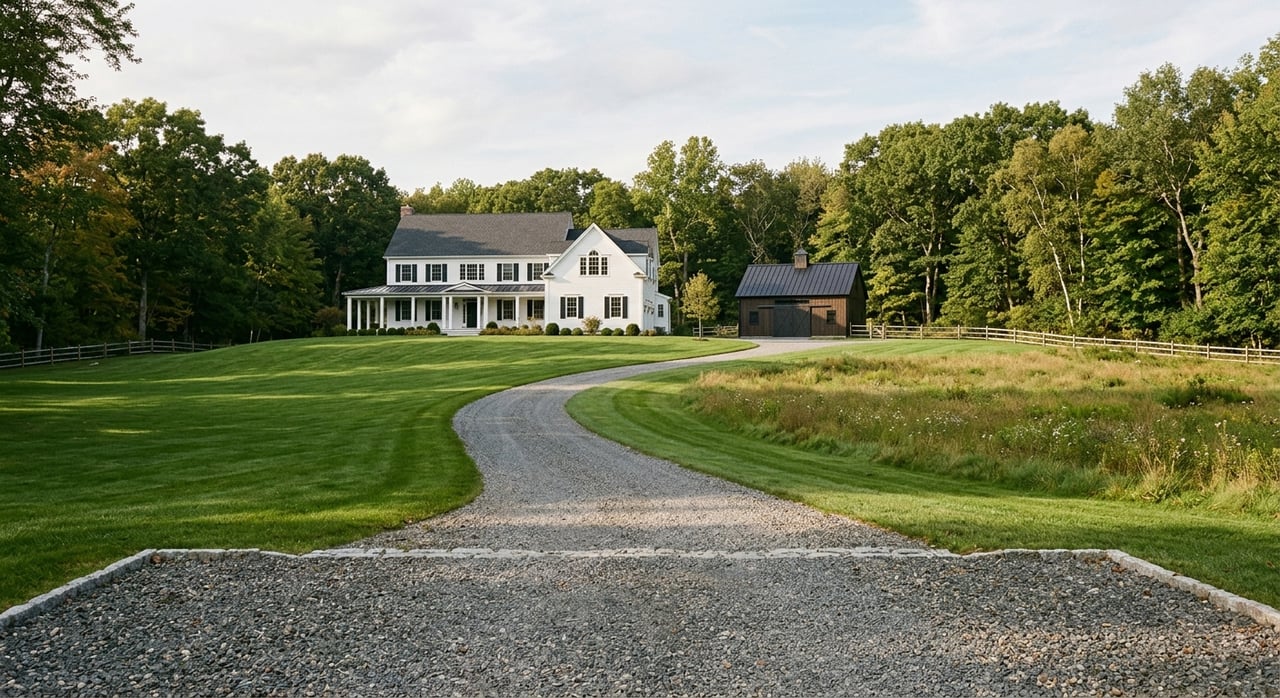
Buying acreage in Millstone Township can be exciting, but it can also be misleading if you focus only on the number of acres in a listing. In this market, two properties with the same stated size can offer very different building options, upkeep demands, and long-term value. If you are considering land for a custom home, equestrian use, or a private estate setting, understanding how to evaluate acreage can help you make a smarter decision. Let’s dive in.
Start With Zoning First
In Millstone Township, zoning is the first lens you should use when evaluating any large parcel. The township includes multiple zoning districts such as R-170, RU-P, RU-C, R-130, R-80, R-MF, R-20, and several commercial districts. That means the acreage number alone does not tell you what can be built or how the property can be used.
This matters because each district has different lot size, frontage, setback, and coverage rules. A parcel may look ideal on paper, but the zoning district may place limits on homes, barns, fencing, or future improvements. Before you think about lifestyle features, start by confirming the exact zoning classification.
What RU-P Means for Buyers
RU-P is especially relevant if you are looking for a rural or equestrian property. This district requires a 10-acre minimum lot area, 250 feet of frontage, 40-foot side setbacks, and a 10% lot-coverage cap. It also expressly permits farms, farm buildings, and nonfarm stables for private horse use, with placement standards for the stable or enclosure.
If horses are part of your plan, this zoning detail matters early. You want to know that your intended use is allowed before you fall in love with the setting. In Millstone, private horse use can be a good fit in the right zone, but the parcel still has to meet the applicable standards.
What RU-C Means for Preservation Land
RU-C serves a more preservation-oriented purpose. The code states that the district is intended to maintain rural character and preserve open space and farmland. For lots not in a planned commercial development, the district requires 20 acres, 800 feet of frontage, and 450 feet of depth.
RU-C also takes a stricter view of what counts as buildable land. Wetlands, wetland buffers, 100-year floodplains, slopes of 15% or more, waterways, and stream-corridor buffers are excluded from buildable lot area. That makes this district one of the clearest examples of why gross acreage and usable acreage are not the same thing.
Other Districts Still Matter
R-170 is Millstone’s lowest-density residential zone and is designed to protect sensitive environmental features such as wetlands, steep slopes, floodplains, shallow groundwater, headwaters, mature woods, and highly erodible soils. It allows agricultural and recreational uses and includes specific development options. If a parcel lies in R-170, environmental constraints should be part of your review from the start.
R-80 may also come up when you compare larger lots. It is not true estate zoning, but it can still influence your options because minimum lot area rules differ depending on the subdivision context. If you are comparing properties across zoning districts, small code differences can lead to very different outcomes.
Focus on Usable Acreage
One of the biggest mistakes buyers make is valuing a property by raw size alone. In Millstone, planning and land-use review specifically account for topography, soil conditions, water supply, drainage, floodplain areas, marshes, and woodlands. The more useful question is how much of the site is actually buildable and functional for your goals.
A 12-acre parcel with wetlands or steep slopes may offer less flexibility than a smaller property with flatter, clearer ground. That does not automatically make the larger parcel a poor purchase. It simply means value depends more on usable acreage than on the headline number.
Why Land Features Matter
Millstone’s landscape is generally gently rolling and mostly between 150 and 300 feet above sea level. About 36% of the township’s land is classified as prime farmland soils. For buyers, that can be a real advantage if you want open land, agricultural use, or horse-friendly ground.
At the same time, rolling land can create drainage, grading, and access considerations. Soil and slope can affect where you place a house, driveway, barn, paddock, or pool. Even if the property feels expansive, the workable layout may be narrower than it first appears.
Review Flood, Drainage, and Environmental Constraints
Before you assign value to acreage, review flood and drainage conditions carefully. Millstone’s municipal maps page directs users to FEMA flood mapping, and the township’s FHSC overlay zone applies to tracts in or near stream corridors and flood-hazard areas. If part of the land falls within those areas, your plans may need to change.
Environmental constraints can shape everything from the house location to where fencing and driveways can go. They can also affect maintenance and future permitting. On a large parcel, these issues are not side notes. They are part of the property’s core value.
Watch for Wetlands and Buffers
In districts such as RU-C, wetlands and their buffers are excluded from buildable lot area. Stream-corridor buffers and floodplain areas can also reduce what portion of the site is practical for new improvements. That is why a zoning map and a basic site review should happen before you make assumptions about what the acreage can deliver.
If your goal is privacy, horses, or a custom estate layout, these mapped constraints matter just as much as the lot size. A parcel can still be beautiful and valuable while containing restricted areas, but you want clear eyes about how those areas affect use.
Understand Trees and Clearing Limits
Tree cover can add beauty, privacy, and a sense of scale, but it can also affect cost and timing. Millstone’s tree-clearing rules are intended to help prevent erosion and sedimentation, maintain wildlife habitat, and preserve scenic beauty. The township also requires a tree-removal permit before cutting trees or clearing brush.
If you plan to open views, establish pasture, or create space for a barn pad or detached garage, tree rules may influence your schedule and budget. On acreage, mature woods are not just a visual feature. They are a land-use factor that should be reviewed before closing.
Check Wells, Septic, and Oil Tank Issues
Millstone’s Construction Department states that all homes in the township use well water. For new single-family construction, the township requires a plot plan showing the building, well, septic system, fencing, barn, and other improvements, along with a well permit and septic permit from the Freehold Health Department. For acreage buyers, this means utilities deserve close attention early in the process.
You should also know that private-well transactions in Millstone are subject to the Private Well Testing Act. Monmouth County guidance states that septic pump receipts must generally be within the last three years, and septic inspection is privately negotiated between buyer and seller rather than performed by the county health department. These are not minor details when you are evaluating a rural property.
Ask About Underground Oil Tanks
The township also warns buyers about underground heating-oil tanks because of groundwater contamination risk. If an older home or outbuilding is part of the purchase, ask whether a tank exists or existed in the past. This is the kind of issue you want clarified before closing, not after.
Match the Parcel to Your Improvement Plans
Many acreage buyers are thinking beyond the main house. You may want a detached garage, barn, tack room, paddock shelter, shed, or pool house. In Millstone, accessory buildings on lots of six acres or more are generally capped at 1,200 square feet per building and 2,400 square feet total, unless another rule applies.
Farm buildings are treated differently. On commercial farm property, or on eligible farm-assessed property with at least 10 acres, farm buildings may be built without limitation in number, height, or gross floor area, though zoning-permit documentation and a deed restriction are still required. If your long-term plans include serious agricultural or equestrian use, this distinction can materially affect which property makes sense.
Fencing Matters More Than You Think
Fence rules also shape how acreage works in day-to-day life. In Millstone, fences must stay inside property lines, face the neighbor with the finished side, and remain under six feet in side and rear yards and four feet in front yards. Agricultural fencing on farmland-assessed properties over 10 acres can be treated differently, subject to specific standards and setbacks.
If horses, paddocks, or open-field separation are part of your vision, fence regulations should be part of your due diligence. The right parcel is not just one that looks large enough. It is one that legally supports the layout you want.
Ask Better Questions Before You Make an Offer
When you evaluate acreage in Millstone, the best protection is a focused due-diligence process. You are not just buying square footage indoors. You are buying land that may come with zoning limitations, environmental constraints, and stewardship responsibilities.
Here are some of the most useful questions to ask before moving forward:
Questions for the Surveyor
- What is the exact zoning district?
- Where is the buildable envelope after accounting for wetlands, slopes, flood-hazard areas, and buffers?
- Do the survey and title work show easements, conservation restrictions, boundary issues, or shared-access rights?
- Where are the existing house, barn, shed, pool, fence, septic reserve area, and well in relation to setbacks?
- Does the parcel meet the minimum usable development area required by its zoning district?
Questions for the Engineer or Contractor
- Can the soil, slope, and drainage support the improvements you want?
- Will a new driveway, patio, paddock, or barn interfere with the septic system or reserve area?
- Are tree-clearing permits or replanting obligations likely to affect the plan?
- If there is an old oil tank, what is the testing and removal plan?
Questions for Township or County Officials
- Which zoning rules apply to this parcel?
- What permits are needed for tree removal, zoning approval, construction, well installation, and septic work?
- Does the property qualify for any lot-size averaging or conservation-based development option?
- For a home with a private well or septic system, what testing or documentation is required before closing?
Think Beyond the Purchase Price
Acreage ownership in Millstone often involves active land stewardship. As parcel size and improvement count increase, so do responsibilities related to driveway maintenance, drainage, tree management, fencing, septic-field protection, and stormwater control. That does not make ownership harder for the right buyer, but it does mean the lifestyle should fit your expectations.
In practical terms, the best acreage purchase is the one that aligns legal use, physical layout, and your long-term goals. For some buyers, that means prioritizing flatter and cleaner ground over a larger total acreage number. For others, it means finding a parcel where zoning already supports private horse use, farm-related improvements, or a carefully planned estate setting.
If you are weighing acreage in Millstone Township, experienced local guidance can help you look past the headline and evaluate what the land truly offers. To discuss large-lot, estate, or equestrian opportunities in Monmouth County, schedule a free consultation with Critelli Realtors®.
FAQs
How should you evaluate acreage in Millstone Township before making an offer?
- Start with zoning, then review usable acreage, environmental constraints, well and septic issues, access, and whether the parcel supports your intended improvements.
What does usable acreage mean for Millstone Township land buyers?
- Usable acreage is the portion of the property that remains practical for building and daily use after accounting for wetlands, buffers, flood-hazard areas, slopes, and other site constraints.
What zoning districts matter when buying acreage in Millstone Township?
- Common districts that can affect acreage decisions include RU-P, RU-C, R-170, and R-80, each with different standards for lot size, frontage, environmental protection, and permitted uses.
Can you keep horses on acreage in Millstone Township?
- In RU-P, the code expressly permits nonfarm stables for private horse use, subject to placement standards, and farm-related rules may differ on qualified farm property.
What should you know about wells and septic systems in Millstone Township?
- All homes use well water, private-well transactions are subject to the Private Well Testing Act, and septic documentation such as pump receipts is an important part of due diligence.
Do tree and fence rules affect large parcels in Millstone Township?
- Yes. Tree removal generally requires a permit, and fence rules set standards for location, height, and orientation, with different treatment possible for certain agricultural fencing on qualifying properties.