Morning coffee over the Navesink or a quiet, tree-lined street near parks and schools? In Rumson, you can have either, but each choice shapes your budget, upkeep, and daily routine. If you are weighing riverfront views against simpler maintenance and quicker errands, you are not alone. This guide breaks down real costs, lifestyle tradeoffs, and smart next steps so you can choose with confidence. Let’s dive in.
Rumson market at a glance
Rumson is an affluent Monmouth County borough with a wide price spectrum shaped by lot size, location, and waterfront access. Aggregated indices show a typical home value around $2.09M as of late 2025, while a December 2025 median sale snapshot lands closer to $1.499M. The gap reflects small-sample volatility and the mix of property types.
Waterfront homes command a clear premium due to scarce river frontage, private docks, and deepwater access. Inland homes offer more options and lower entry points, often ranging from the upper hundreds of thousands to the low multimillions depending on size and condition. Rumson’s estate heritage and limited shoreline help explain the spread, with notable historic properties such as the Lauriston estate underscoring the borough’s legacy of grand homes. Learn more about this history through the profile of the Lauriston estate.
Bottom line: start with a broad budget band, then refine by water access, lot features, elevation, and condition. Expect waterfront prices to vary block by block based on frontage, tidal depth, and dock rights.
Waterfront living in Rumson
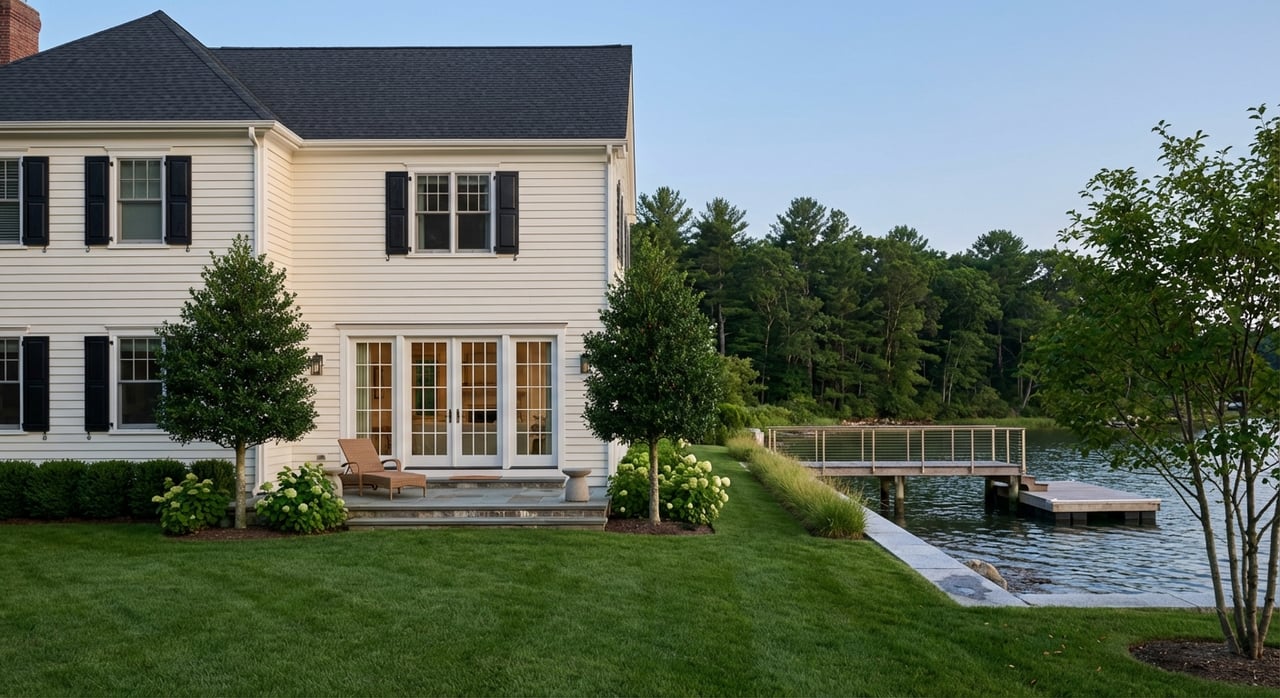
Waterfront homes cluster along the Navesink and Shrewsbury Rivers, especially near River Road, Rumson Road, Ward Avenue, and the Oceanic area. Typical features include private docks or slips, bulkheads or seawalls, and custom or newly rebuilt homes. The Oceanic commercial node adds restaurants and small shops, plus a municipal boat ramp at Victory Park for easy access to the water. You can see local park and ramp information on the borough’s Rumson Recreation locations.
The lifestyle is about views and direct access. You can launch your boat near home, watch sunsets over the river, and keep close to marinas and seasonal activities. Many owners use these properties as primary residences or as a second home focused on recreation and hosting.
Key costs and risks on the water
Flood risk and insurance. Many riverfront parcels sit in FEMA flood zones. Before you go under contract, pull the FEMA map panel, request an Elevation Certificate, and get insurance quotes for the exact address. The borough’s Flood Management page and the FEMA Flood Map Service Center are your starting points. If a property is in a Special Flood Hazard Area, most lenders will require flood insurance.
Bulkhead, dock, and seawall work. Waterfront infrastructure wears over time. Consumer guides show dock build costs vary widely by type and materials. Review typical ranges in HomeAdvisor’s dock cost guide. Seawall repairs or replacements can run from hundreds to over a thousand dollars per linear foot depending on materials and site conditions. See a summary of per-foot considerations from ShoreProtect. Replacement of a long, aging bulkhead can become a six-figure item, so budget early and get quotes during due diligence.
Corrosion and routine maintenance. Salt air shortens the life of exterior metals, paints, and mechanicals. Expect more frequent service cycles and budget for boat and dock upkeep. Local marinas can support storage, winterization, and service. For context on slip and service offerings, explore Oceanic Marina.
Permits and zoning. Rumson regulates docks, bulkheads, boat storage, and related waterfront construction. Always confirm permit history and current rules with the borough before starting work. You can review definitions and regulations in the Rumson municipal code and ask the Borough Engineering and Construction offices about approvals.
Property taxes. Rumson historically ranks near the top of New Jersey municipalities for average property tax bills. Higher-assessed waterfront properties often carry especially substantial taxes. You can see how Rumson compares in this statewide ranking from Garden State Initiative.
Inland living in Rumson
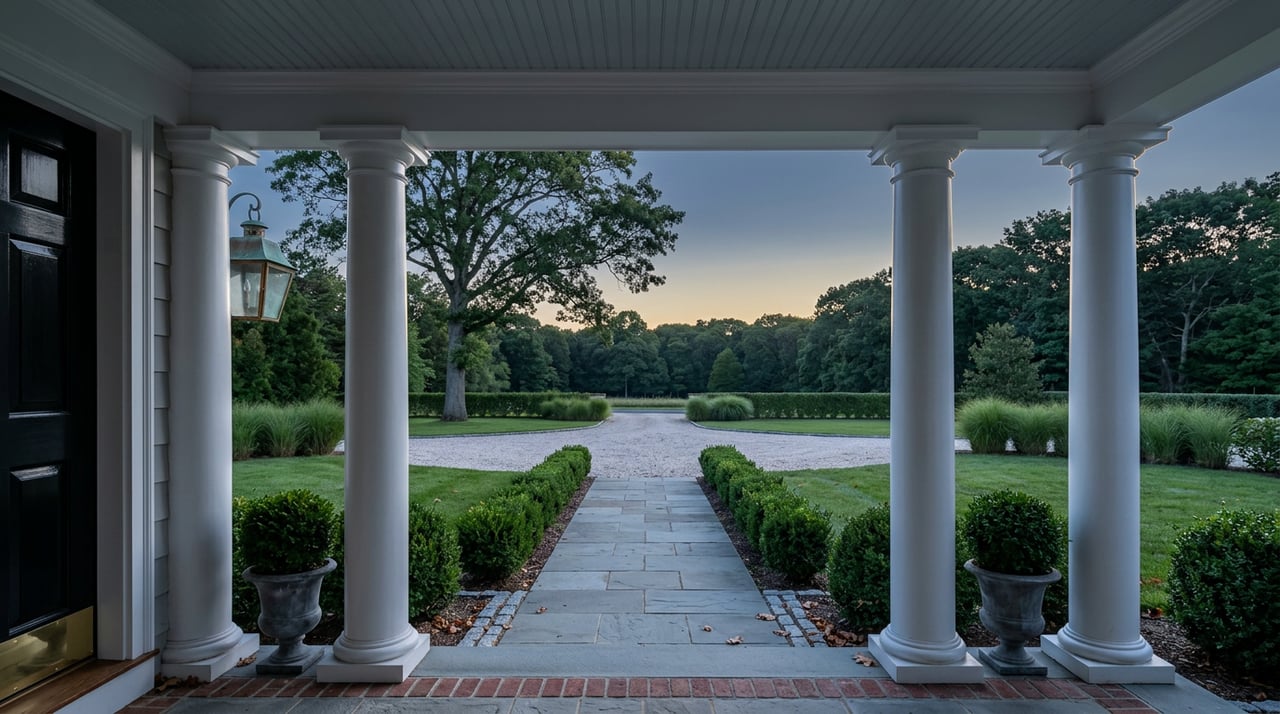
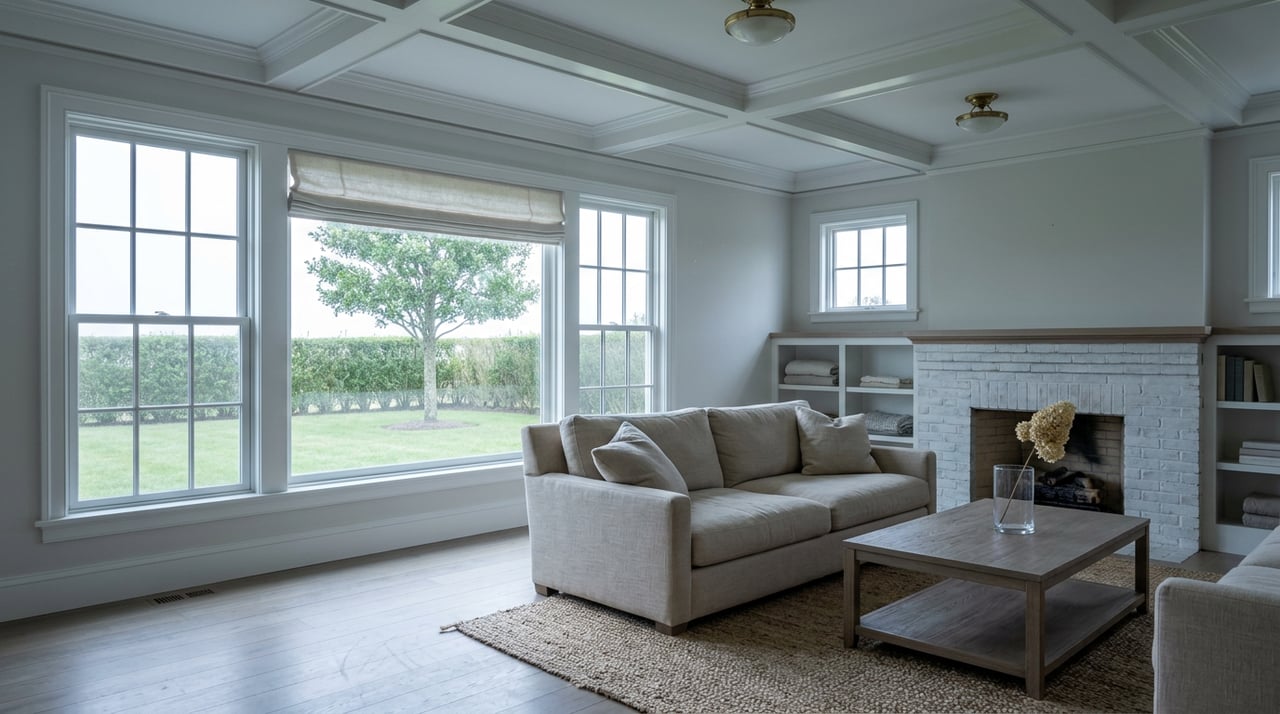
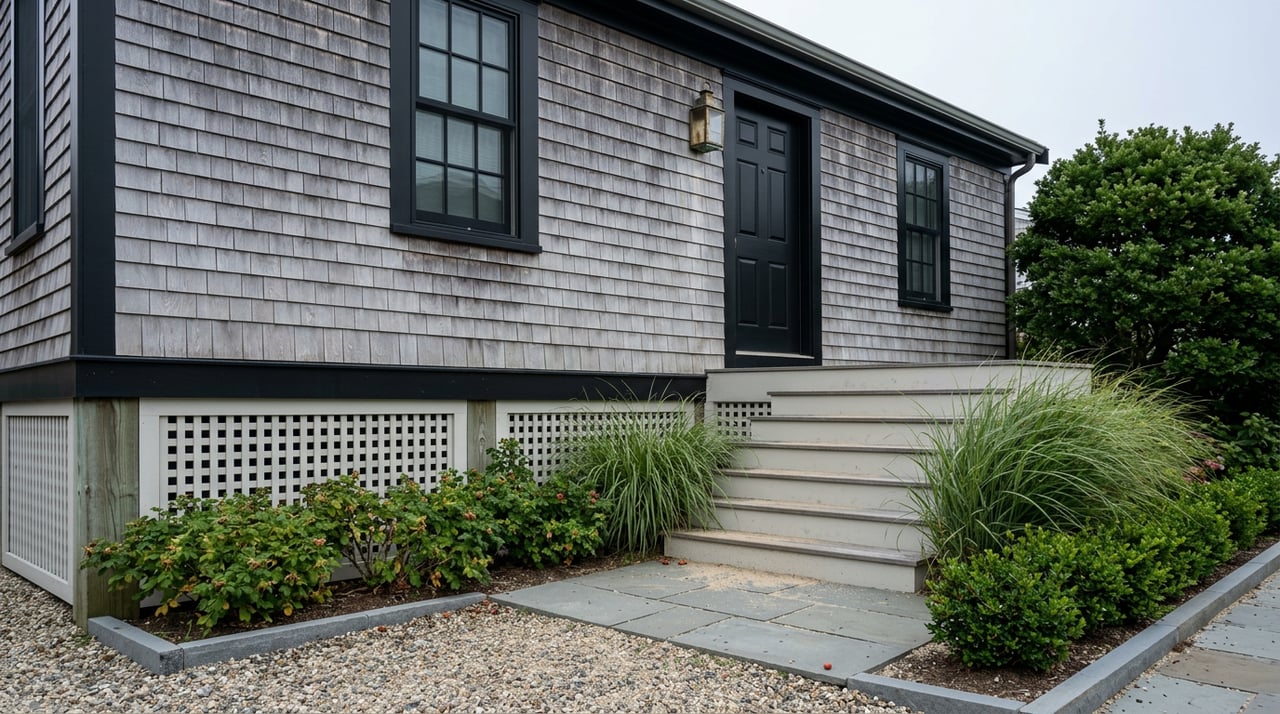
Inland neighborhoods trade river frontage for quieter residential streets, simpler upkeep, and easier proximity to parks, schools, and the town center. You will find colonials, ranches, mid-century homes, and updated traditional styles on manageable lots. Many primary-home buyers choose these areas for convenience, lower maintenance, and more selection.
Price points are typically lower than waterfront, though standout properties still reach into the multimillions. Recurring costs are often more predictable without the added exposure of salt air, bulkheads, or docks.
Daily life and commuting
From inland Rumson, you are close to local shops and restaurants, with straightforward access to regional commuting routes. Many residents drive to Red Bank for NJ Transit service or use ferry terminals in Highlands and Belford for Manhattan access. Ferry schedules can vary by season, so test your door-to-door timing. You can find regional ferry context in this SeaStreak service update.
Decision framework: waterfront vs inland
Choosing between waterfront and inland comes down to how you balance lifestyle, risk, and costs. Use this quick framework to clarify your fit.
Budget and value
- Waterfront: Premium pricing with wide variation by frontage, depth, and dock rights. Higher taxes and insurance are common.
- Inland: Lower entry points and more inventory. Lower recurring costs and simpler upkeep.
Lifestyle priorities
- Waterfront: Boating from home, panoramic views, and a recreational focus. Closer to marinas and riverfront parks like Victory Park.
- Inland: Quicker errands, easier yard work, and proximity to parks and schools. A better fit if you want day-to-day convenience.
Risk and maintenance
- Waterfront: Flood zone exposure, bulkhead and dock responsibilities, faster exterior wear from salt air.
- Inland: Reduced flood exposure in many areas, fewer specialized structures to maintain.
Commute needs
- Waterfront: Many corridors are near River Road and Oceanic, with access to ferry routes by car.
- Inland: Often closer to main roads for school drop-offs and Red Bank rail access.
Micro-neighborhood focus
- For boating and private docks: River Road, Rumson Road, Ward Avenue, and the Oceanic corridor. Confirm depth, bridge clearance, and dock rights.
- For walkability to dining and the municipal ramp: Oceanic and Bingham Avenue near Victory Park.
- For lower maintenance and daily convenience: Inland streets near schools and central Rumson.
Showing and due diligence checklist
Bring this list to your first tours. It will save time and help you compare options on equal terms.
Flood and elevation
- Pull the FEMA flood map for each property and request the latest Elevation Certificate. Start with the borough’s Flood Management page and confirm on the FEMA Map Service Center.
- If in a Special Flood Hazard Area, obtain quotes for NFIP and private flood coverage before you finalize your budget.
Shoreline and structures
- Visit at low tide to inspect the shoreline, bulkhead condition, and dock hardware. Photograph any rust, rot, or shifting.
- Ask for permits and plans for docks, bulkheads, lifts, and recent shoreline work. Verify details in the municipal code and with Borough Engineering.
Marine and maintenance planning
- If you plan to keep a boat on-site, confirm tidal depth and bridge clearance with a marine surveyor. Ask about shoaling and wakes.
- Price out dock work and seawall contingencies using ranges from HomeAdvisor and ShoreProtect. Book a contractor walkthrough early.
- Check local service options and slip availability at places like Oceanic Marina.
Systems and corrosion
- Look for exterior corrosion on HVAC units, railings, fixtures, and electrical panels. Ask for service records and replacement timelines.
Taxes and fees
- Review the current assessment and estimate future taxes, especially for high-value waterfront lots. Rumson’s average bills rank among the state’s highest according to Garden State Initiative.
Commute test
- Drive your exact route to Red Bank rail or to the Highlands or Belford ferry during your usual departure times to validate door-to-door timing. See regional ferry context in this SeaStreak service note.
How to decide with confidence
If your heart is set on boating and sunset views, the premium and added upkeep of a waterfront home can be worth it. If you want a primary residence with simpler maintenance, predictable costs, and quick access to daily amenities, inland living often wins. Many Rumson buyers begin with both in play, then use flood exposure, bulkhead condition, and commute testing to focus their search.
When you are ready to refine your short list, get senior-level guidance that blends local knowledge with clear cost planning. Schedule a free consultation with Critelli Realtors® to compare on-market and discreet opportunities, verify flood and permit details, and negotiate with confidence.
FAQs
What should a Rumson waterfront buyer check first?
- Start with the FEMA flood panel, an Elevation Certificate, bulkhead condition, and dock permits, then get insurance and contractor quotes before you finalize your offer.
How do Rumson property taxes compare statewide?
- Rumson consistently ranks among New Jersey’s highest average property tax bills, which can add significantly to annual costs on larger or waterfront homes. See the ranking from Garden State Initiative.
Are inland Rumson homes outside flood zones?
- Many inland properties are outside FEMA Special Flood Hazard Areas, but you should still check the exact lot on the FEMA Map Service Center and review the borough’s Flood Management page.
Can I add or replace a dock in Rumson?
- You will need to follow borough rules and permitting for docks, bulkheads, and lifts, and budget using typical ranges for docks and seawalls. Review the municipal code and cost context from HomeAdvisor and ShoreProtect.
Is the ferry a realistic Rumson-to-NYC commute?
- Many residents drive to the Highlands or Belford terminals for SeaStreak service, while others use Red Bank rail. Schedules vary, so test the route at your usual times and review updates like this service announcement.
Do waterfront homes require more maintenance than inland?
- Yes. Salt air accelerates corrosion and paint cycles, and docks or bulkheads add upkeep. Plan for more frequent exterior service and consult local providers such as Oceanic Marina for storage and support.