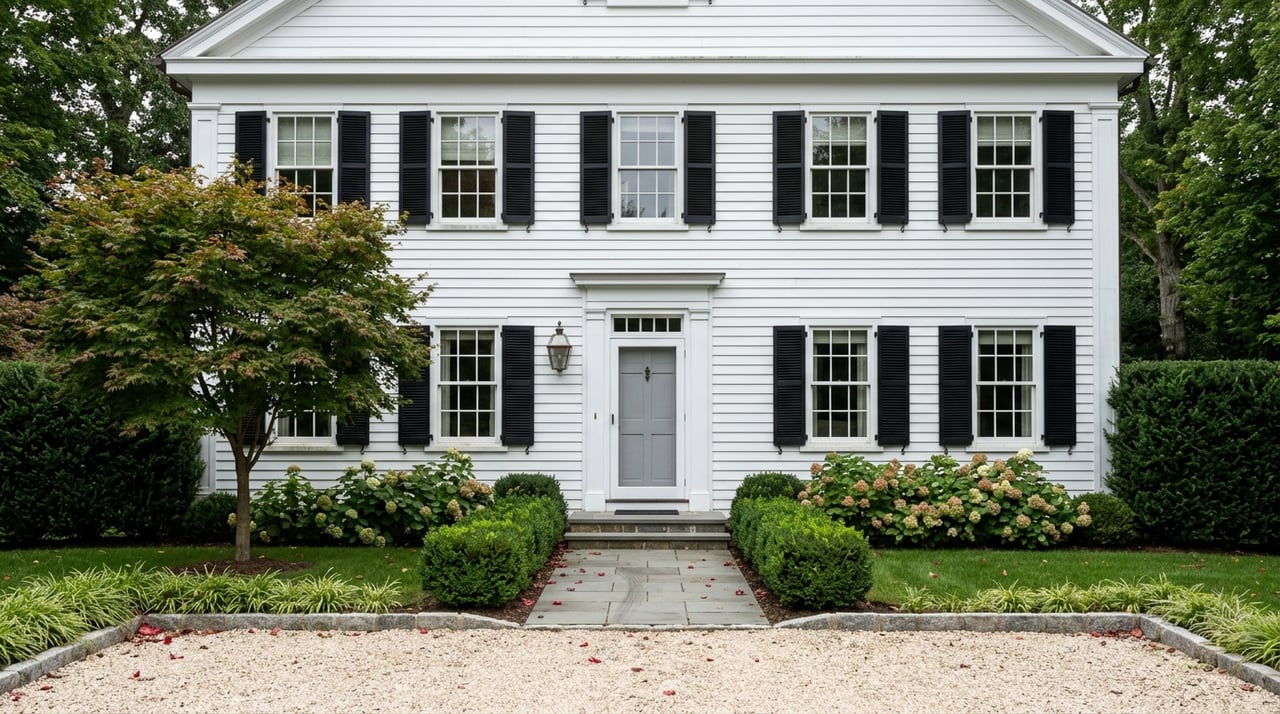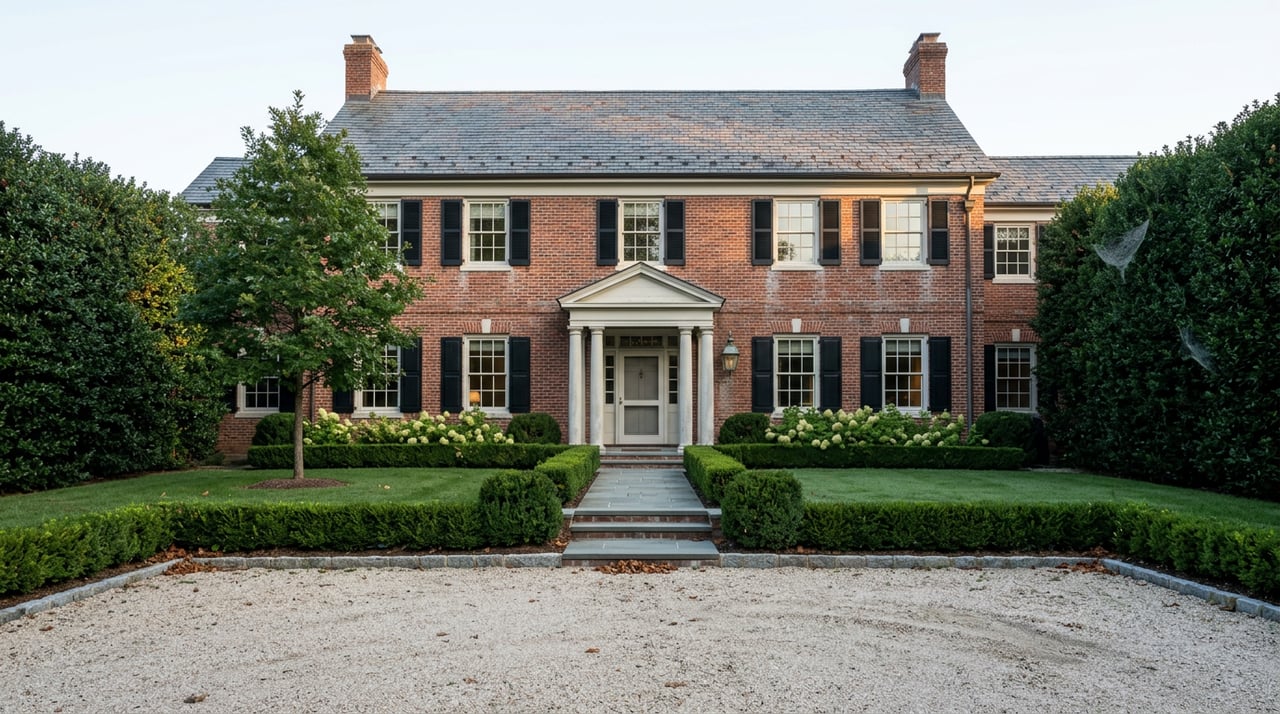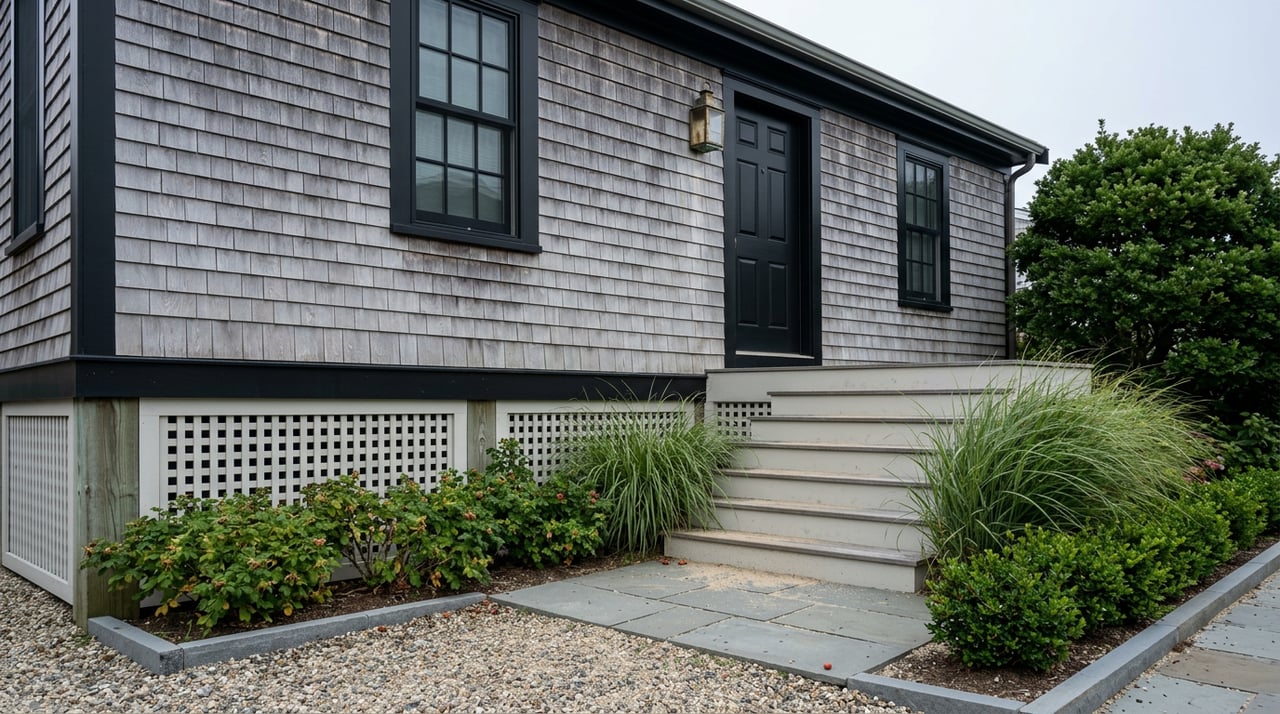
Walk any block west of Route 35 in Lavallette and you'll see it before anyone explains it to you: a low, sun-bleached cottage from the 1960s sitting a few feet off the ground, and next door, a new build standing a full story taller on exposed pilings. It looks like taste. It's actually law. And the law that produced that split-level streetscape just changed again in a way most people shopping this market haven't caught up with.
If you've been comparing Lavallette listings against other Barnegat Peninsula towns, you've probably absorbed the basic shape of the story: Superstorm Sandy hit hard in October 2012, FEMA redrew the flood maps afterward, and homes that were substantially damaged or substantially renovated had to be rebuilt higher. That part is accurate and it's why the island now has two visibly different housing stocks standing side by side. What most buyers don't know is that the rule governing what happens next just got a lot less settled, not more.
The Number That Decides Everything
Before you fall for an older cottage on price alone, there's one figure that matters more than square footage or even the listing price itself: 50 percent.
Under federal flood rules that apply here, if the cost of renovating, rehabilitating, or adding onto a home equals or exceeds half of the structure's market value, the whole building has to be brought up to current construction standards. On a barrier island, that means elevating it to or above Base Flood Elevation, the height floodwaters are expected to reach in a storm with a 1 percent annual chance of occurring. The same trigger applies if a home is declared substantially damaged, which is the mechanism that forced so much elevation after Sandy in the first place.
That single threshold is why so much of Lavallette's post-Sandy inventory now stands on pilings. It's also why the question to ask about an older cottage isn't what the kitchen needs. It's whether your renovation plan crosses that 50 percent line, and if it does, what elevating the entire structure will add to the budget. Buyers who skip that math sometimes fall in love with a plan the rules simply won't allow as drawn.
What Actually Happened to the Deadline
Here's where the story most people have heard is out of date.
New Jersey adopted a sweeping set of coastal construction rules called the Resilient Environments and Landscapes rule, or REAL, on January 20, 2026, the final day of Governor Phil Murphy's administration. The headline change: new construction and substantial improvements in coastal flood zones now have to be built four feet above FEMA's base flood elevation, using a climate-adjusted standard that accounts for projected sea level rise. That's a meaningfully higher bar than the one that governed the post-Sandy rebuilding wave.
The rule included a legacy provision. Projects that got a technically complete application in before a certain date could still be reviewed under the older, less demanding standards. That date was originally set for July 20, 2026, which is why a lot of the guidance circulating online right now treats that deadline as closed history, already reshaping which Lavallette fixer-uppers pencil out and which don't.
It didn't close. On June 1, 2026, the Department of Environmental Protection under Commissioner Ed Potosnak filed a proposal to extend that legacy window an entire year, pushing it to July 20, 2027. The stated reason was to give the department room to engage with residents, municipalities, and builders on possible amendments before the tougher standard becomes the only path. It's a live regulatory fight, too. The New Jersey Builders Association and county governments including Ocean, Monmouth, Cape May, and Cumberland have challenged the rule in court, and Senate President Nicholas Scutari introduced a resolution aimed at invalidating it entirely.
For a Lavallette buyer, the practical upshot is that the runway under the old, less costly elevation standard is longer than most current guides assume, at least for now. That doesn't mean the stricter rule disappears. It means the sorting of this market into old cottages and elevated rebuilds is still happening, not finished, and the pace of that sorting depends on a regulatory fight that hasn't ended.
Ocean Side, Bay Side, Different Math
Route 35 splits the island in two, and the flood math splits with it. East of the highway, oceanfront and ocean-block homes sit in FEMA's V and VE zones, the highest-hazard designation because of direct wave action. West of the highway, most of the bayfront and interior blocks fall into A and AE zones, still flood-prone but without the wave-velocity exposure that drives V-zone construction requirements and insurance costs even higher.
| Zone | Location | What drives the premium |
|---|---|---|
| V / VE | Oceanfront, direct wave exposure | Highest construction standards, highest insurance cost |
| A / AE | Most of the rest of the island, bayfront included | Published Base Flood Elevation, lower but still real hazard |
Under FEMA's Risk Rating 2.0 methodology, which prices every property on its own elevation, distance from water, and rebuild cost rather than a flat zone rate, the gap between an elevated home and one sitting below Base Flood Elevation can run into the hundreds of dollars a year, and Ocean County as a whole has among the highest concentration of National Flood Insurance Program policies in the state. Two houses on the same block can carry very different annual costs depending on nothing more than how many feet separate the lowest floor from BFE.
This is also a big part of why headline price figures for Lavallette look inconsistent from one source to the next. Sales volume here is small enough that a single luxury oceanfront closing or one older bay-block sale can swing a monthly median hard in either direction. Published figures earlier in 2026 ranged from list prices near $1.39 million to reported sale medians closer to $1.7 million, with a value-index estimate sitting nearer $1.0 million, three numbers measuring three different things off a handful of transactions. Treat any single town-wide median as a starting point, not a verdict, and price a specific home against truly comparable recent sales on the same side of the island, similar block, similar elevation.
What This Means If You're Looking at an Older Cottage Right Now
- Ask for the elevation certificate before you fall in love with the floor plan. It documents exactly where the home's lowest floor sits relative to Base Flood Elevation, and Lavallette's Building Department keeps copies on file.
- Run the 50 percent math against your actual renovation budget, not a rough guess. Crossing that line changes the entire scope and cost of the project.
- Confirm which flood zone the specific parcel sits in. Zone V and Zone A properties on the same street can face different construction and insurance realities.
- Get a current flood insurance quote before closing, not after. Risk Rating 2.0 prices the individual property, and the difference between an elevated and non-elevated home nearby can be substantial.
- If you're counting on the older legacy standard for a renovation, ask your contractor whether a technically complete permit application can realistically be filed before the current July 2027 window, and understand that the political fight over REAL means this date itself could move again.
None of this is a reason to avoid Lavallette. It's a reason to price the specific parcel correctly, which is exactly where local guidance earns its keep over a generic market report.
Frequently Asked Questions
Does the REAL rule mean I have to elevate my current home? No. The rule applies when you undertake new construction or a substantial improvement or if your home is substantially damaged. Routine maintenance and cosmetic work that don't cross the 50 percent value threshold aren't affected.
Is flood insurance actually required in Lavallette? For most of the island, yes. Much of Lavallette sits in a FEMA Special Flood Hazard Area, and federally backed lenders require flood insurance for mortgaged properties there.
Why do published median prices for Lavallette disagree so much? Small sales volume is the main reason. A town this size can see only a handful of closings in a given month, so a single luxury oceanfront sale or a single modest cottage sale can move a monthly median sharply in either direction.
Does the legacy deadline extension apply everywhere on the Jersey Shore? The proposed extension to July 20, 2027 applies statewide to eligible coastal permit applications, not to Lavallette alone, though the practical effect varies by town depending on existing elevation and flood zone mapping.
Work With Someone Who Tracks the Rules, Not Just the Listings
Buying or selling on a barrier island means pricing in flood zone, elevation, and a regulatory landscape that keeps shifting under the state's own timeline. Louis Critelli and the team at Critelli Realtors follow these changes as part of representing buyers and sellers across Lavallette and the Jersey Shore corridor. Schedule a free consultation to talk through what a specific Lavallette property actually costs to own, insure, and improve before you make an offer.