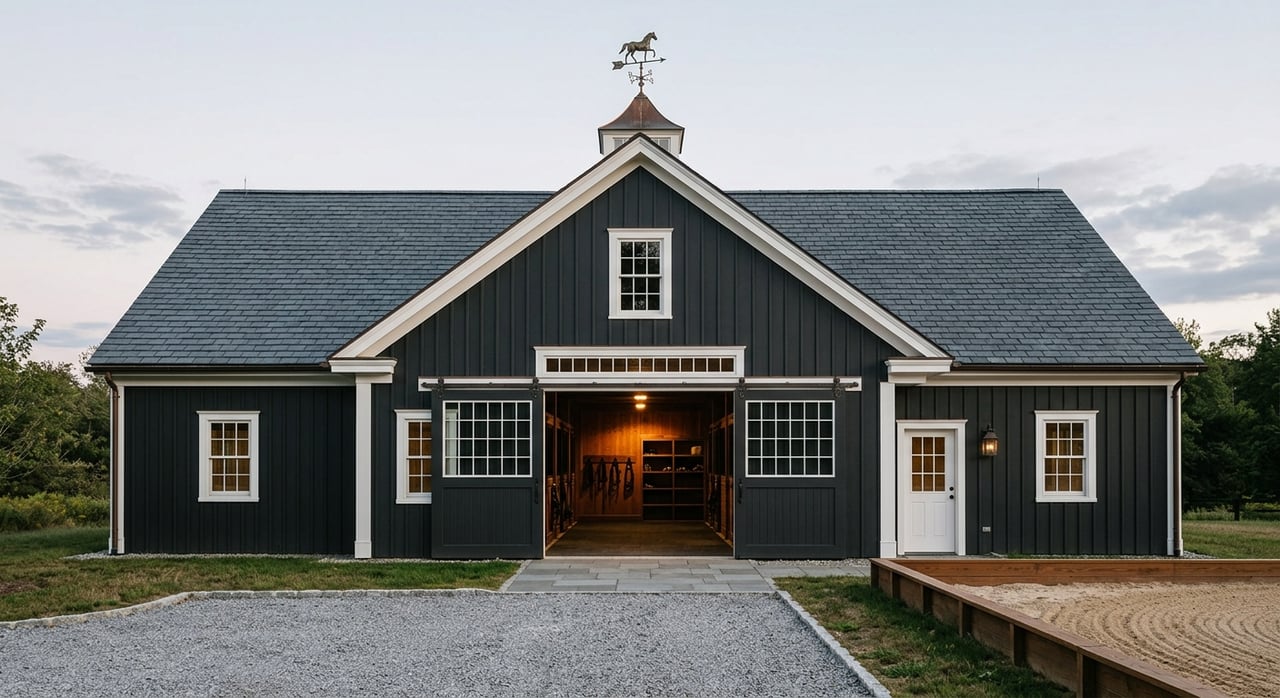
Looking for an equestrian property in Millstone Township is about much more than finding acreage. You may be picturing a barn, paddocks, and room to ride, but the real value often comes down to zoning, buildable land, water access, manure management, and whether the property has any preservation restrictions. If you want a clearer way to evaluate horse properties in this rural Monmouth County market, this guide will walk you through the essentials. Let’s dive in.
Why Millstone Appeals to Equestrian Buyers
Millstone Township has a long-established agricultural base, and equestrian activity has been part of its rural character for years. The township’s Agricultural Advisory Council supports farmland preservation and Right to Farm education, while the 2020 Farmland Preservation Plan highlights the area’s farming land, trail connections, and land-use protections.
That planning framework matters if you are shopping for a horse property. The township’s plan notes that the RU-P zone covers about 52% of Millstone and contains 84% of its prime agricultural soils, with a bridle-path network that includes 15-foot trail easements connecting parks and facilities. As of 2020, the township also reported about 1,446 acres of farmland permanently preserved, which helps explain why Millstone continues to feel rural and land-focused.
Understand Millstone Zoning First
Before you focus on the barn or the house, make sure you understand the property’s zoning district. Millstone’s land-use code is very specific about farms, horse-related uses, lot sizes, and setbacks, and those rules can shape what you can do now and in the future.
According to the township code on Millstone zoning and permitted uses, farms and farm buildings are permitted in several rural districts, and nonfarm stables for private horses are also allowed in multiple zones. The details vary by district, especially when it comes to minimum acreage and development options.
Key rural zones to know
- RU-P Rural Preservation: Minimum lot area of 10 acres. Farms and farm buildings are permitted. Nonfarm stables for private horses are allowed, with no structure in the front yard or within 50 feet of another property line.
- RU-C Rural Conservation: Minimum lot area of 6 acres. Farms and farm buildings are permitted. Nonfarm stables for private horses are also allowed with the same 50-foot setback.
- R-130 Rural Residential: Minimum lot area of 3 acres. This zone is intended for low-density residential use, general agricultural uses, nurseries, and horse farms.
- R-80 Rural Residential: Minimum lot area of 80,000 square feet, with major subdivision lots approved after June 21, 2000 requiring 2 acres. Nonfarm stables for private horses are permitted here as well.
In some districts, larger tracts may also allow lot-size averaging or cluster development. That may matter if you are comparing a property for personal equestrian use versus one with longer-term land planning considerations.
Gross Acreage Is Not the Whole Story
One of the most important things to know about Millstone equestrian properties is that total acreage and usable acreage are not always the same. A listing may advertise a large parcel, but portions of that land may not count toward buildable lot area.
Under the township code, buildable lot area excludes features such as wetlands, wetland transition buffers, 100-year floodplains, steep slopes, waterways, and stream corridor buffers. Some parcels may also be affected by deed restrictions tied to preserved farmland or open-space cluster planning, which can limit future subdivision or additional housing development.
That means you should ask very direct questions during due diligence:
- How much of the site is actually buildable?
- Are the barn, paddocks, or arena located near wetlands or stream buffers?
- Are there conservation easements or deed restrictions on the land?
- Is the parcel permanently preserved farmland, farmland-assessed, or neither?
What Equestrian Properties Look Like in Millstone
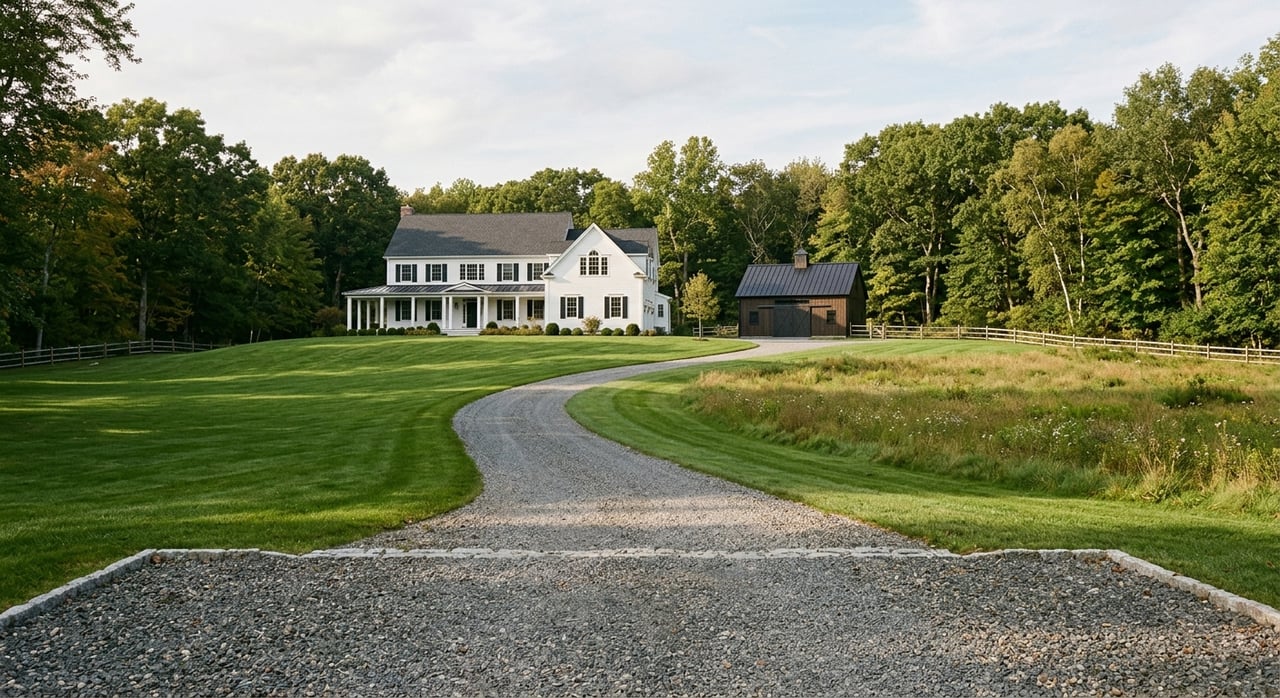
Millstone does not offer just one type of horse property. Based on the examples summarized in the research, the market includes smaller residential horse setups as well as larger estate-style or preserved farm properties.
Recent listings have ranged from a 1-acre property with two horse paddocks, run-in sheds, water and electric, a dressage ring, and a 48-by-30 barn, to a 3.03-acre property with a two-stall barn and fenced paddock. Other examples included a 7-plus-acre property with room for horses and other animals, a 26.25-acre farm-preserved parcel with paddocks and a riding ring, and a nearly 16-acre property with a 12-stall barn and additional warehouse space, based on recent Millstone listing examples.
The practical takeaway is simple: in Millstone, horse properties are best evaluated by use case and infrastructure, not by acreage alone. A smaller parcel with a functional barn, good drainage, and safe fencing may serve your needs better than a larger parcel with major site limitations.
Evaluate the Site Beyond the House
When you tour an equestrian property, it is easy to focus on the home first. In Millstone, the site itself often deserves equal or greater attention.
Barn and stable layout
Start by looking at whether the barn is well placed on the lot and whether it appears to comply with setbacks. For nonfarm stables for private horses, Millstone requires that no structure be in the front yard or within 50 feet of another property line, according to the township code.
You should also look at daily functionality. Consider trailer access, parking layout, paddock flow, and how horses move between barn, turnout, and riding areas.
Arena drainage and footing
If the property includes a riding ring or training area, drainage is a major issue. Rutgers guidance for equine facilities says riding and training areas should be placed in a well-drained location and typically built over a compacted base with a surface that sheds water properly.
Rutgers also notes that there is no single universal footing formula. Arenas need regular conditioning, dust control, and manure pickup, so maintenance is part of the long-term cost of ownership.
Pasture and fencing
Pasture quality matters just as much as barn size. Rutgers recommends soil testing, mowing, and the use of endophyte-free fescue for pastures, and it advises fencing controlled outside lots for safety.
As you assess a property, look at how paddocks are divided, whether fencing appears secure and well maintained, and whether turnout areas make sense for the number of horses the property can support. Safety basics, including equipment condition and separation between barn areas and vehicle or trailer parking, also matter.
Manure and Water Rules Matter
Horse property ownership comes with practical responsibilities, and manure management is one of the biggest. In New Jersey, all livestock farms, including equine operations, must follow general animal-waste requirements outlined by the state.
According to New Jersey animal waste management requirements, manure storage areas must be 100 feet from waters of the State and located on slopes under 5%. The state’s equine management rules also require manure storage and composting areas to be at least 50 feet from property lines, 200 feet from adjacent residences, and 100 feet from waters of the State.
In addition, farms with 8 or more animal units or 142 tons of imported manure must develop an Animal Waste Management Plan. If you are buying a property with an existing horse operation or planning to expand one, that is an important point to review early.
Water is another core issue. Since Millstone’s rural framework emphasizes on-site systems and discourages sewer extensions into preservation areas, you should closely review the property’s well and septic capacity. That is especially important if the property includes a barn bathroom, wash area, or any existing accessory improvements.
Be Careful With Barn Apartments and Guest Space
Many buyers assume a detached barn with finished space can be used as guest quarters, a barn apartment, or flexible living space. In Millstone, you should not make that assumption.
The township code says finished accessory usable space in a detached structure is limited to 500 square feet or 50% of the gross floor area, whichever is smaller. Kitchens, kitchenettes, and wet bars are prohibited, a small convenience bathroom may be allowed with septic approval, and a deed restriction is required stating the structure will not be used as a second dwelling unit.
This is one of the most important due diligence issues for buyers seeking multi-use estate properties. If a detached structure has finished space, confirm exactly what was approved and how the township classifies that area.
Preserved Farmland Changes the Equation
Some of Millstone’s larger equestrian properties may be permanently preserved farmland. If so, the property can offer long-term rural stability, but it may also come with meaningful restrictions.
Under the New Jersey preserved farm program, preserved farms are subject to a deed of easement, annual monitoring, and post-closing approvals for certain actions such as divisions of premises or some residential construction. At the same time, preserved farms may be eligible for stewardship grants related to soil and water conservation, drainage, livestock watering facilities, deer fencing, and animal waste control facilities.
If the property is not permanently preserved but is receiving farmland assessment, a future change in land use can also have tax implications. The New Jersey Division of Taxation farmland assessment guidance explains that rollback taxes may be assessed for the year of change and the prior two years if land use shifts from agricultural or horticultural use to non-farm use.
A Smart Due Diligence Checklist
If you are seriously considering a Millstone equestrian property, keep your review focused on the issues that affect function, compliance, and long-term flexibility.
Questions to ask before you buy
- What zoning district is the parcel in?
- What is the minimum lot size for that zone?
- How much of the acreage is buildable under Millstone’s code?
- Are there wetlands, floodplains, steep slopes, or stream corridor buffers on site?
- Are the barn, arena, manure area, and paddocks properly placed?
- Is the property permanently preserved farmland or under farmland assessment?
- Are there deed restrictions, trail easements, or other limitations on improvements?
- Are the well and septic systems adequate for the current improvements?
- Was any finished accessory space legally approved?
Why Local Guidance Matters
Millstone equestrian properties can be rewarding purchases, but they are rarely simple. The right property for you may be a modest residential horse setup, a larger estate parcel, or a preserved farm with strong infrastructure and limited future changes.
What matters most is understanding how the property functions in real life, not just how it looks in photos. With Millstone’s rural zoning, preservation framework, and horse-friendly land base, informed guidance can help you avoid expensive surprises and focus on the properties that truly fit your goals.
If you are thinking about buying or selling an equestrian property in Millstone Township, working with a team that understands land use, estate marketing, and the nuances of Monmouth County can make the process more strategic. To start the conversation, connect with Critelli Realtors®.
FAQs
What zoning districts allow horses in Millstone Township?
- Millstone’s code permits farms and farm buildings in several rural zones, and nonfarm stables for private horses are allowed in RU-P, RU-C, R-130, and R-80, with specific lot-size and setback rules under the township zoning code.
What should buyers know about acreage on Millstone horse properties?
- In Millstone, gross acreage is not always the same as buildable acreage because wetlands, floodplains, steep slopes, waterways, and stream corridor buffers may be excluded from buildable lot area.
What site features matter most on a Millstone equestrian property?
- Buyers should closely evaluate barn placement, arena drainage, pasture condition, fencing, manure storage location, and the adequacy of well and septic systems.
What are the manure rules for horse properties in New Jersey?
- New Jersey requires livestock farms, including equine operations, to follow animal-waste rules, including setback standards for manure storage and composting areas and possible Animal Waste Management Plan requirements depending on the operation.
Can a detached barn have living space on a Millstone property?
- Millstone limits finished accessory space in detached structures, prohibits kitchens and similar features, may allow a small convenience bathroom with septic approval, and requires a deed restriction stating the structure will not be used as a second dwelling unit.
What does preserved farmland mean for a Millstone buyer?
- A preserved farm is subject to a deed of easement and ongoing oversight, and certain changes may require approval after closing, so buyers should review preservation status carefully before making plans for future improvements.